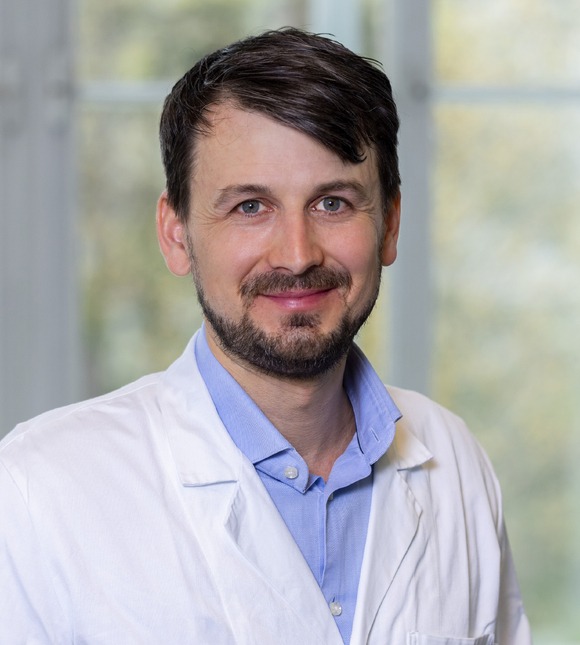
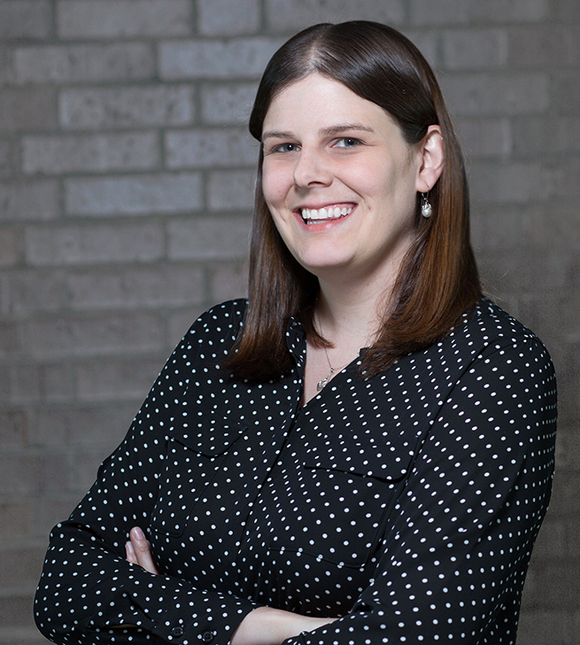
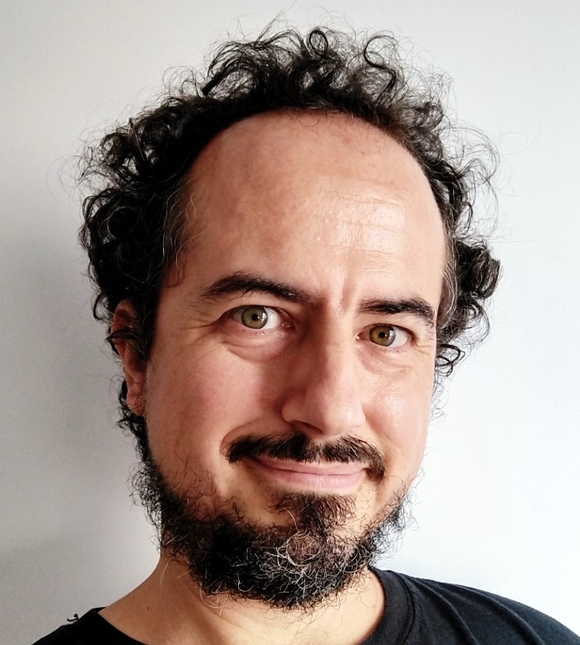
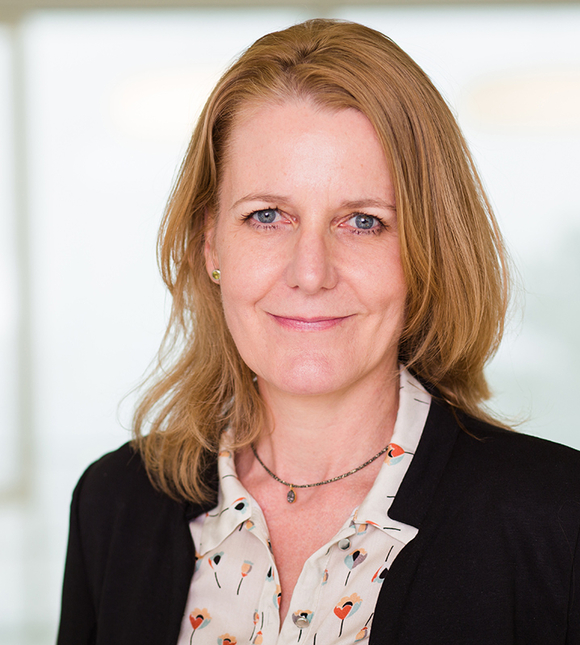
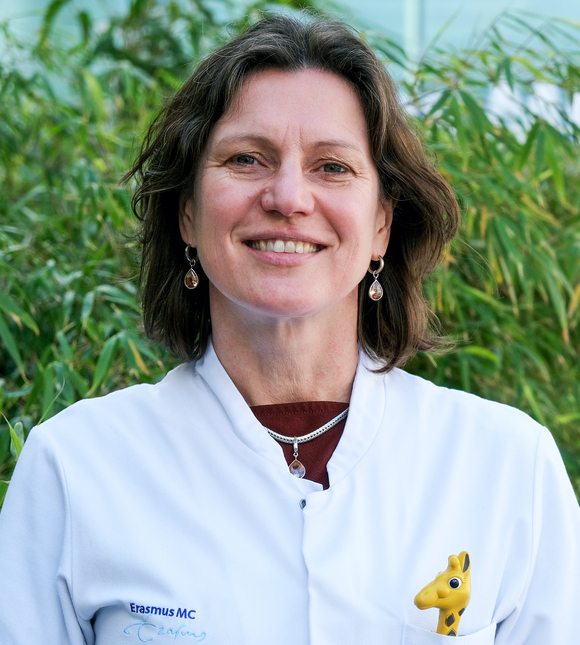
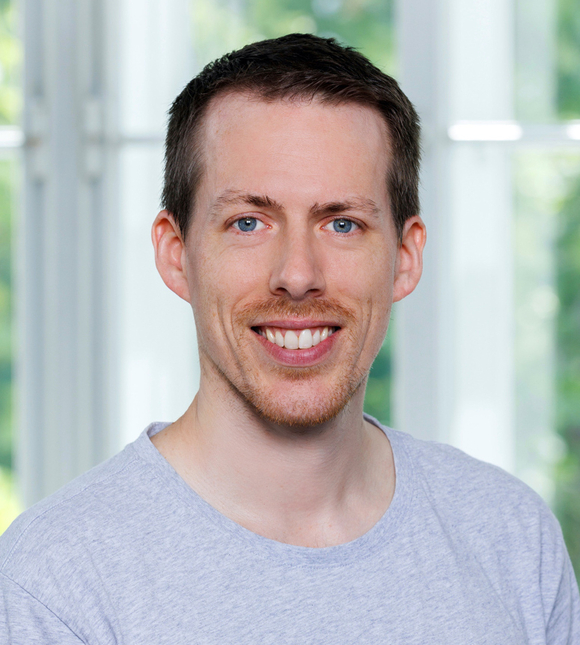
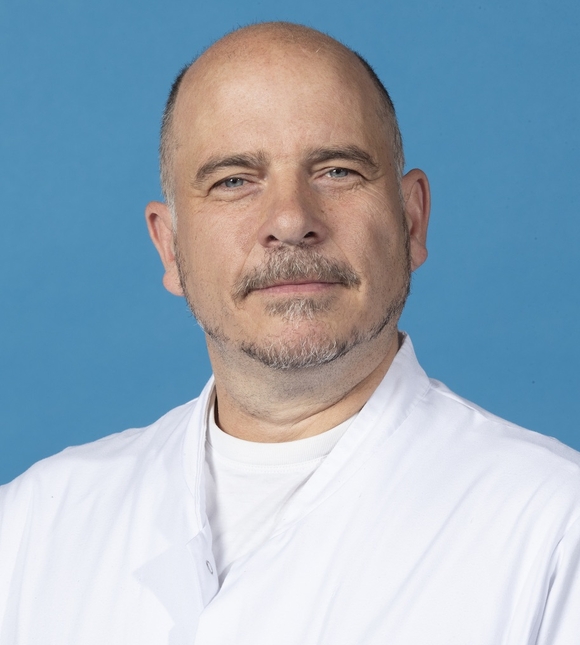
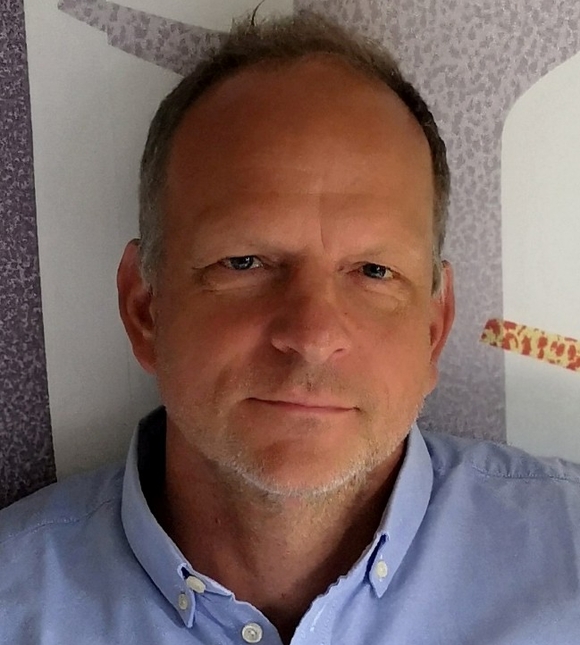
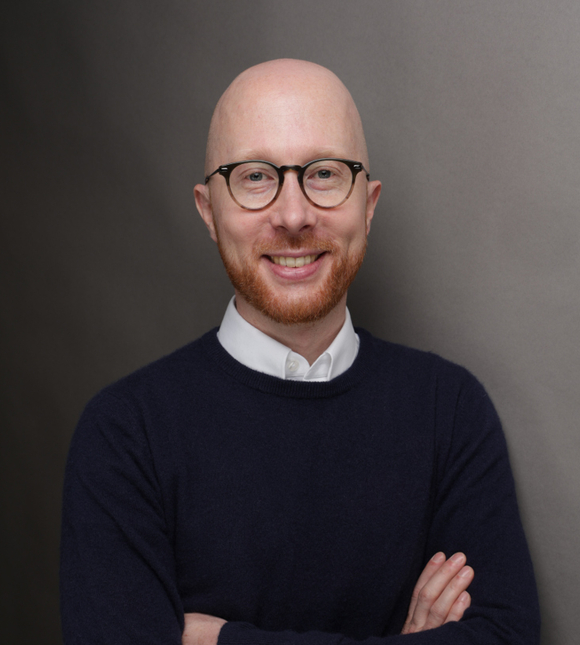
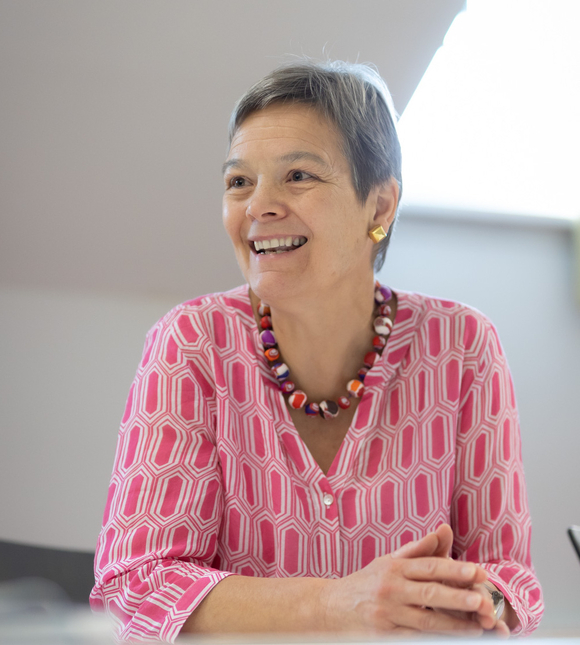
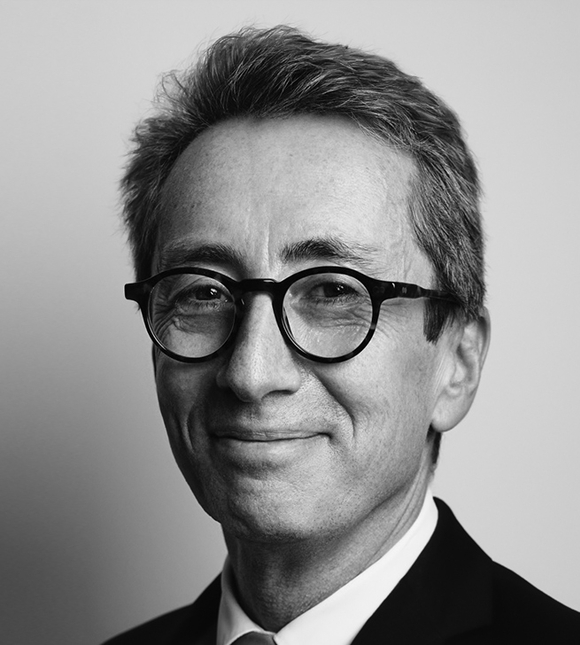
Currently, Dr. Igor Adameyko is a Professor and a Department Chair at Center for Brain Research of Medical University of Vienna, Austria. He is known for the discovery of multipotency of nerve-associated Schwann cell precursors, a population of neural crest derived cells with exceptional plasticity and distribution in the body. Most lately, Prof. Adameyko engaged into the fields of neuroimmunology and onconeuroimmunology to discover how we can take advantage of altered cell states and cell-cell interactions for coping with a plethora of major human diseases.
Bios
Dr Eduard Serra is the group leader of the Hereditary Cancer Group at the Germans Trias i Pujol Research Institute (IGTP) and co-director of the Translational Program on Cancer Research (CARE). Research in his laboratory focuses on the study of peripheral nervous system tumors associated with Neurofibromatosis Type 1 (NF1). His current work focuses on the development of iPSC-based in vitro/in vivo models of NF1-associated tumors and their genomic characterization to study their development, composition, progression and potential therapies. He participates in the HUGTiP-ICO Reference Center for NF1 in Spain and is a close collaborator of different patient associations.
Gilles Atlan volunteers as the Vice President of CureNF2 (previously known as NF2 BioSolutions), His daughter is diagnosed with NF2 and went through many surgeries and treatments to try to control the NF2 tumors. Gilles believes that new innovative approaches need to be explored and tried on NF2. Together with a network of patients volunteering at CureNF2, we fund and accelerate several types of research around gene therapy and immunotherapy. Gilles holds a MSc in computer science from University of Manchester, grew up in France and live in Israel.
Assoc. Prof. Dr. Amedeo A. Azizi is Head of the Neurofibromatosis Expertise Centre at the Department of Paediatrics and Adolescent Medicine, Medical University of Vienna, Austria. He is an attending paediatric neuro-oncologist and Associate Professor with clinical and research expertise in paediatric low- and high-grade gliomas and neurofibromatosis. He is a member of the SIOPE Low-Grade Glioma Working Group, the European NF Group, the Clinical Care Advisory Board Europe of CTF Europe, and represents the Vienna centre within the European Reference Network on Genetic Tumour Risk Syndromes (ERN GENTURIS). He is actively involved in the development of international clinical guidelines and expert consensus statements for neurofibromatosis and schwannomatosis. His research focuses on NF1-associated optic pathway gliomas and the early detection of malignant peripheral nerve sheath tumours.
Arianna Baggiolini’s work lies at the intersection of stem cell biology and cancer. Since opening her laboratory in 2022, she has received the Christopher J. Marshall Award, the SNSF Starting Grant, the prestigious Hofschneider Professorship, the Young Investigator Award from the Horten Foundation and the 40 Under 40 in Cancer award.
Her major contributions include defining oncogenic competence in melanoma and elucidating the role of developmental chromatin factors during tumor initiation and cellular maturation. Her research focuses on the mechanisms of competence for transformation and how cancer cells interact with the tumor microenvironment, particularly in tumor–neuron crosstalk.
Bio TBA
Céline Colnot is a Director of Research at INSERM at the Mondor Biomedical Research Institute, University of Paris-Est Créteil, where she leads the team “Stem cells, tissue repair and neurofibromatosis type 1”. After earning her PhD in Paris in 1998, she was a postdoctoral fellow and Assistant Professor in Orthopedic Surgery at the University of California, San Francisco, before joining INSERM in Paris in 2010. Her laboratory studies skeletal stem and progenitor cells in bone regeneration, using clinically relevant models of bone repair disorders to uncover the mechanisms of fracture nonunion in musculoskeletal trauma and the bone manifestations of neurofibromatosis type 1. https://imrb.inserm.fr/en/teams/colnot/
Professor Evans has established a national/international reputation in clinical and research aspects of cancer genetics, particularly in neurofibromatosis, schwannomatosis and breast cancer. Professor Evans is a clinician scientist and is an emeritus chair of medical genetics and cancer epidemiology at the University of Manchester. He has published 1190 peer reviewed research publications, 385 as first or senior author as well as over 160 reviews, letters and chapters. He has led a successful bid for a Nationally funded NF2 service (£7.5 million pa) that started in 2010 and was involved in the national complex NF1 service. He was the cancer prevention early detection theme leader on the NIHR Manchester Biomedical Research Centre. He has a Web of Science h index of 156 and google scholar of 200.
Said Farschtschi studied medicine at the Technical University of Munich. He completed his training in neurology in Hamburg. Since 2012 he has been researching in the field of phacomatoses. Since 2017 he has been chairman of the Federal Association for Neurofibromatosis. Since 2022 he is spearheading the phacomatoses research branch and the NF Center at the University Medical Center Hamburg-Eppendorf. He is ERN GENTURIS representative, part of the steering committee of the European NF Group, the clinical advisory board of the CTF Europe and of the Ethics Committee for Special Procedures of the Federal Institute for Drugs and Medical Devices.
Professor Rosalie Ferner is an adult neurologist at Guy’s and St. Thomas’s NHS Foundation Trust, London. She was formerly the national lead clinician for the nationally commissioned Complex Neurofibromatosis 1 (NF1) Service from 2009-2022 and London lead for the national NF2 service from 2010-2014. She is a Trustee and member of the Medical Advisory Board for the patient organisation Nerve Tumours UK.
She has extensive clinical and research experience in neurofibromatosis and schwannomatosis and has participated in multiple educational initiatives. Her doctoral thesis was on “Intellectual problems in neurofibromatosis 1” and her research interests include defining clinical phenotype and natural history in NF1, diagnosis of malignant peripheral nerve sheath tumours in NF1, and the development of robust clinical and patient focused outcome measures for monitoring therapy in NF1 and NF2 schwannomatosis.
Dr Laura Fertitta is a dermatologist in the Department of Dermatology at Henri-Mondor Hospital, Université Paris-Est Créteil, which hosts the French Referral Center for Neurofibromatosis (CERENEF), coordinated by Prof. Pierre Wolkenstein. She specializes in pediatric and adult dermatology, with a focus on neurofibromatosis type 1 (NF1) and cutaneous neurofibromas (cNF). Within CERENEF, she runs an NF1 clinic and performs laser and surgical treatments for cNF.
Her research focuses on cNF outcome measures and assessment tools through the international REiNS consortium, where she serves as co-leader. Supported by the Francis S. Collins Scholars Program, she conducts translational NF1, using a genetically engineered NF1 mouse model to study neurofibroma development, malignant transformation, and therapies. She is Secretary of the European Neurofibromatosis Group (ENFG) and actively contributes to French, European, and international NF1 research collaborations.
Dr Rachel Giles comes from a family with NF1. Although she is originally from California, she has lived in the Netherlands for 35 years and pursued a career in hereditary cancer syndromes, specialising in von Hippel Lindau disease. A 3-time cancer survivor herself, she made a career switch in 2019, moving from her Associate Professor of Internal Medicine position at the University of Utrecht in the Netherlands to become a global patient advocate, running the International Kidney Cancer Coalition for 14 years. In 2025 she joined Patvocates, a social think tank active in health policy, as Patient Engagement Director.
Johannes Gojo is Professor for Pediatric Neuro-Oncology at the Medical University of Vienna and heads the Brain Tumor Center for Children and Adolescents. He has dedicated his career to pediatric brain tumors, with expertise in precision medicine, molecular biomarkers, and innovative tumor models for high-risk CNS tumors. His research spans different CNS tumor types and NF-related cancers, with a particular focus on developing novel treatment approaches and biomarkers, including liquid biopsies for disease monitoring. Following research fellowships in Boston and Heidelberg, he has established a translational research network in Vienna. His work also emphasizes patient and public involvement to strengthen research relevance and impact.
Bio TBA
Magdalena Koczkowska, PhD, is a certified molecular geneticist specializing in cancerpredisposing syndromes, particularly neurofibromatoses and schwannomatosis. She earned her PhD (2015) and habilitation in medical sciences (2025) at the Medical University of Gdansk, Poland. She completed postdoctoral training at the University of Alabama at Birmingham, USA (2016-2019), focusing on genotype-phenotype correlations in neurofibromatosis type 1. She is currently an Assistant Professor and senior researcher at 3P-Laboratory Medicine, Medical University of Gdansk, Poland. She serves as an expert and biocurator for the NF-SWN Variant Curation Expert Panel (VCEP) and is a partner in the European Joint Programme on Rare Diseases-funded EURONET-NF consortium.
Iwo Koryciński is a patient advocate living with NF1 and has been actively involved in patient advocacy since 2010 through Stowarzyszenie Neurofibromatozy Polska. In 2025, he expanded his advocacy activities to the European level by joining NF Patients United (NFPU), contributing to cross-border collaboration and advocacy efforts within the NF community. Professionally, he works as a Clinical Project Manager in clinical research within a CRO environment, combining lived experience with expertise in clinical trials and the development of new therapies.
Dr Catena Kresbach is a clinician scientist in the Department of Neuropathology at the University Hospital Hamburg-Eppendorf in Germany, and at the Research Institute Children's Cancer Center Hamburg. She specialises in the molecular characterisation of tumours associated with NF1 and schwannomatosis, with the aim to identify diagnostic and prognostic markers, as well as new therapeutic targets.
Dr. Eric Legius is a clinician scientist in Human Genetics. His research focused on the molecular underpinnings of neurofibromatosis type 1 (NF1) and related conditions. He has contributed to our understanding of the molecular aetiology of tumours associated with NF1, including the role of the polycomb repressor complex type 2 in the development of MPNST. Dr. Legius' research team identified a novel condition resembling NF1 in 2007, subsequently designated as Legius syndrome. He transitioned to emeritus status in October 2023, marking the end of his active involvement in patient management.
Bio TBA
Vera is a legal and policy officer at NF Patients United. She has over 8 years of experience advocating for patients with rare diseases and specifically NF1. Previously she worked as a counsel in an international consultancy firm and the energy sector. In NFPU, she is supporting several community projects, including the recent European survey. Through her work, she advocates for patient-centric approaches in policymaking as well as for greater recognition of the role patient organisations. She also closely monitors legislative and public policy developments that address rare diseases and the unmet needs of patients.
Vanessa L. Merker, PhD, is a health services researcher at Massachusetts General Hospital and an Assistant Professor in Neurology at Harvard Medical School. Her research program leverages information collected directly from patients and their family members to improve clinical trial design and health care delivery for rare diseases like neurofibromatosis and schwannomatosis. By using research methods such as in-depth qualitative interviews and patient-reported outcome measures, she seeks to highlight patients’ priorities and tailor interventions to match their needs. Dr. Merker is committed to partnering with NF families to help design and disseminate research. As Chair of the Response Evaluation in Neurofibromatosis and Schwannomatosis (REINS) International Collaboration Patient Representative working group, she helps enable NF patients and caregivers to give feedback on new research studies. Dr. Merker also serves on the Children's Tumor Foundation Clinical Care Advisory Board and is co-chair of the quality of life committee for the NF Clinical Trials Consortium.
Dr Bernat Gel leads the Translational Cancer Genomics and Bioinformatics Group at the Germans Trias i Pujol Research Institute (IGTP) in Badalona, Barcelona. He is a bioinformatician specialising in cancer genomics and computational approaches for sequencing-based diagnostics. His research focuses on the genomic and epigenomic characterisation of neurofibromatosis-associated tumours, particularly malignant peripheral nerve sheath tumours and their progression from precursor lesions, as well as on the development of computational tools for analysing complex genomic and single-cell data.
Helen Morrison studied in the United Kingdom and received her PhD in Germany. Following research stays in the USA and Germany, she established her career at the Leibniz Institute on Aging (FLI) in Jena and was appointed Professor of Neurobiology of Aging at Friedrich Schiller University Jena in 2020. Her research focuses on aging-related dysfunction of the nervous system, with emphasis on Schwann cells, peripheral neuropathies, and genetic disorders including NF2- and LZTR1-related schwannomatosis. Using multidisciplinary approaches, she investigates mechanisms of nerve decline and develops regenerative strategies. Morrison serves on scientific review panels, leads the Leibniz Research Alliance Resilient Ageing, and promotes mentoring for young scientists and clinicians.
Rianne Oostenbrink, MD, PhD, associate professor, Department of general pediatrics, ErasmusMC- University Hospital, Rotterdam, The Netherlands.
Clinical expertise: She is coordinating the national expertise center for Neurofibromatosis type 1 at the Erasmus MC and leading the national NF1 clinical network in the Netherlands. Further she works as general pediatrician at the department of general pediatrics, ErasmusMC – Sophia Children’s Hospital.
Research expertise: Clinical epidemiologist and clinical scientist. Research areas of interest: quality of life and neurocognitive problems in children with NF1, trial development in NF1, patient shared decision making, development of prediction tools for both clinicians and parents. Collaborated within the EU-PEARL project to develop platform trials in NF (EU Patient centric clinical trial platforms, IMI2-RIA project).
Collaboration within ENCORE (ErasmusMC Neurocognitive research group). Member of the Advisory Board of Dutch National Neurofibromatosis Committee (NFVN). International collaboration through the European Reference Network GENTURIS, European Neurofibromatosis Group (ENFG), CCAB of CTF-Europe.
MD, PhD, trained at the Padova University Hospital, Italy, fellow at the Institute Gustave Roussy (France) and locum consultant at the Great Ormond Street Hospital, London (UK), focusing his expertise on children and young adults with central nervous system and solid tumors, including NF-associated tumors. He has gained a particular knowledge and expertise in assessing and managing functional and visual outcome in children with visual pathways glioma with or without NF1 and collaborated to the design and implementation of european and US initiative and studies dedicated to pediatric LGG with a particular focus on targeted agents in NF1-associated tumors. He is an active member of the European Brain Tumour Group (BTG) and invited experts at pediatric LGG meetings worldwide.
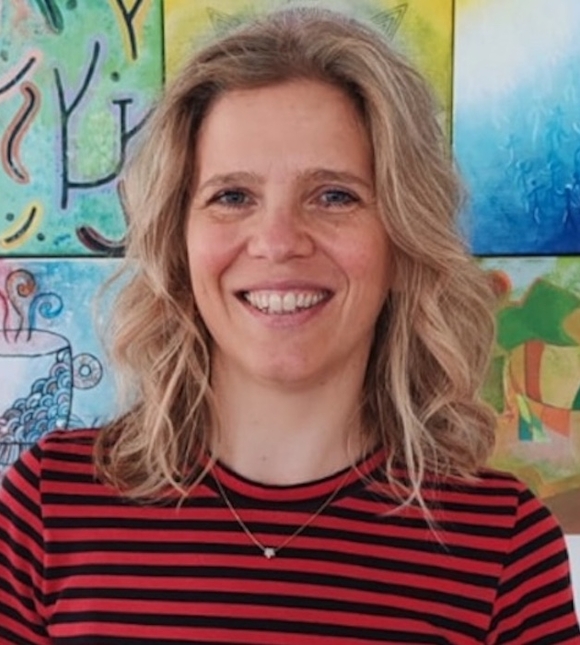
He is core member of the European Neurofibromatoses Group with special task to liaise with lay groups and member of scientific board of NF-charity (LINFA).
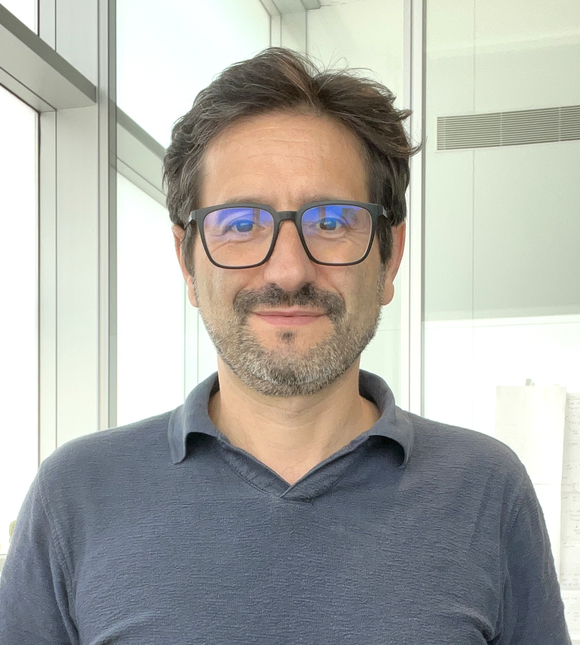
Scott Plotkin, MD, PhD, is the Giovanni Armenise Professor of Neurology at Harvard Medical School and Director of the Division of Neuro-Oncology at the Mass General Brigham Cancer Institute. His research focuses on developing therapies for neurofibromatosis 1 and schwannomatosis, with an emphasis on innovative clinical trial design for rare diseases. He co-founded the international REiNS Collaboration, which develops consensus clinical trial endpoints for NF1 and schwannomatosis. Dr. Plotkin leads the multicenter INTUITT-NF2 platform-basket trial and co-leads the ClinGen Neurofibromatosis and Schwannomatosis Variant Curation Expert Panel.
Christof Radler, MD, is senior consultant and head of the Pediatric Orthopaedic Team of Speising Orthopedic Hospital as well as Associate Professor of Orthopaedics at the University of Vienna.
Dr. Radler has published numerous peer-reviewed articles on congenital deformities of the lower extremity and on clubfoot. He is specialized in deformity correction and limb lengthening in children and in adults and pediatric orthopaedics, especially clubfoot correction. His special focus is reconstruction of congenital and syndromic limb deformities and deficiencies.
During his training, he visited the Ilizarov Institute in Russia, Dr. Ponseti at the University of Iowa, and has done a fellowship and scientific collaboration with the International Center for Limb Lengthening and Reconstruction in Baltimore, MD.
Dr. Radler is a regular speaker at national and international meetings, courses, and workshops and has given over 600 scientific talks and teaching presentations. He is member of the European Paediatric Orthopaedic Society (EPOS) and the German Speaking Pediatric Orthopaedic Society (VKO).
André Rietman works as a mental health-psychologist and assistant professor at the departments of Child and Adolescent Psychology/Psychiatry and Pediatric surgery of the Erasmus Medical Centre- Sophia Children's Hospital. He participates in the transversal Quality of life working group of ERNICA and in mental health initiatives from EURORDIS.
After studying biotechnology (IMC Krems, Austria) and bioengineering (TU Dresden, Germany) Bernhard Robl completed his graduate studies in “Cancer Biology” at the University of Zurich, Switzerland. Subsequently, he continued to work in the field of cancer research in course of postdoctoral stays at the VIB Leuven (Belgium) and at the Medical University of Vienna (Austria). Currently, he is working on the identification and evaluation of experimental therapies against neurofibromatosis type 1-associated tumors of the nervous system in the lab of Prof. Gojo.
Claas Röhl has studied communication science at the University of Vienna. After the diagnosis of his daughter with NF1, he began his path into patient advocacy. He founded the Austrian patient organization NF Kinder in December 2013. NF Kinder managed to establish the first Austrian center of expertise for NF in Austria by forming a partnership with the Medical University of Vienna. On an international level Claas Röhl continued his ambition by co-founding NF Patients United, a European umbrella organization for NF patient organizations and joining the REiNS group.
Prof. Anna Sablina is a group leader at the VIB-KU Leuven Center for Cancer Biology and Professor at KU Leuven. Her research focuses on RAS signaling, ubiquitin-mediated proteostasis, and targeted protein degradation in cancer and genetic disease. Her laboratory has made key contributions to understanding the role of the CUL3 ubiquitin ligase adaptor LZTR1 in regulating RAS-family GTPases and in the pathogenesis of schwannomatosis. Current work aims to develop therapeutic strategies targeting RAS signaling and LZTR1-dependent protein degradation in schwannoma and RAS-driven cancers.
Miriam Smith, PhD is a molecular geneticist based at the University of Manchester, UK. She received her bachelor’s degree in Molecular and Cellular Biology (University of Bath) and her PhD in Molecular Neuroscience (University College London School of Pharmacy), before taking research positions at the Brigham and Women’s Hospital, Massachusetts General Hospital/Harvard Medical School, and The University of Manchester. She subsequently joined the faculty at The University of Manchester in 2013. The major focus of her research group is improving our understanding of how pathogenic variants in schwannomatosis related genes cause the development of schwannoma and meningioma tumours.
Dr. Walter Taal is a neuro-oncologist at Erasmus MC in Rotterdam, The Netherlands, where he has worked since 2002. His clinical and research activities focus on brain tumors and Neurofibromatosis Type 1 (NF1). He has extensive experience in the diagnosis, treatment, and long-term management of NF1-associated neurological complications and central nervous system tumors. Working within multidisciplinary teams, Dr. Taal is committed to integrating clinical care and research to improve outcomes and quality of life for patients with NF1 and related neuro-oncological disorders.
Piotr Topilko is Professor of Histology and Embryology at the University of Créteil and associate director of the "StemRepairNF" team at the Mondor Institute for Biomedical Research, studying peripheral nerve development and neurofibromatosis type 1. He is internationally recognized for identifying Krox20 as a master transcription factor regulating hindbrain segmentation and Schwann cell myelination, and marking boundary cap cells, a potential origin of neurofibromas—work awarded the Fondation de France Prize. His team's NF1-KO models faithfully reproduce NF1 symptoms and revealed the role of inflammation and innervation in cutaneous neurofibromas, enabling a drug discovery platform to prevent and treat them.
Eva Trevisson is Associate Professor of Clinical Genetics at the University Hospital of Padova. She graduated in Medicine with honors from the University of Padova, completed her Specialisation in Medical Genetics at the University of Genova, and earned a PhD (Doctor Europaeus) in Developmental Medicine. Since 2019, she has led the Neurofibromatosis Outpatient Clinic, providing clinical care and molecular diagnostics for adults and children with NF1, NF2, and related schwannomatoses. She is actively involved in national and international research, represents Padova in GENTURIS, serves on the LINFA Scientific Committee, and teaches at undergraduate, postgraduate, and PhD levels.
Santiago Vernia received a B.S in Pharmacy from the University of Valencia, and obtained a PhD in Biochemistry and Immunology at the Institute of Biomedicine of Valencia. In 2010 he joined the laboratory of Roger J. Davis (University of Massachusetts) to study the role of MAPK proteins in the stress response. In 2016 he established his independent group at the MRC-LMS/Imperial College London, and from 2023 his lab is based at the Institute of Biomedicine of Valencia (CSIC). His work focuses on the development of RNA-based diagnostic and therapeutic approaches for neurofibromatosis type 1.
Lennart Well studied medicine at the University Medical Center Hamburg-Eppendorf. He stayed in Hamburg and completed his training in radiology at the Department of Diagnostic and Interventional Radiology and Nuclear Medicine. Since 2019 he has been researching in the field of neurofibromatosis with a focus on differentiation of peripheral nerve sheath tumors in neurofibromatosis type 1. He is a member of the REiNS Imaging Group and part of the German Ethics Committee for Special Procedures of the Federal Institute for Drugs and Medical Devices.
Dr. Katharina Wimmer is Associate Professor at the Institute of Human Genetics at the Medical University Innsbruck, Austria, where she established and supervises the diagnostics and research lab of the Hereditary Cancer Genetics unit. She started working in the NF field in 1998 establishing the first Austrian diagnostics laboratory for NF with at the time state of-the-art transcript analysis-based NF1 diagnostics at the Medical University of Vienna. Since then, her lab has continuously developed the diagnostic repertoire improving sensitivity, and accuracy of genetic testing of cancer predisposition syndromes, with particular focus on NF1 and replication repair deficiencies, specifically constitutional mismatch repair deficiency (CMMRD).
Since 1990s Pierre Wolkenstein is coordinating the management and clinical research of neurofibromatoses in France and, more specifically on neurofibromatosis type 1 in France. He conducted many clinical studies leading to high standard publications in the field. He is head of the French National Referral Center for Neurofibromatoses (Ministry of Health Rare Diseases Program) since 2004, renewed and certified for 5 years in 2023 by the Ministry. He is also the head of the Department of Dermatology in Henri-Mondor Hospital (the academic hospital of University Paris Est Créteil (Grand Paris Region)). The cohort of patients in the center is around 3000. The team performed the first face transplant in a patient with neurofibromatosis 1, identified the first modifying gene, conducted therapeutic trials and developed basic research on NF1 animal models. He has stong links with the French Neurofibromatoses Lay Group and at the present time is the President of its scientific committee. He organized in 2018 in Paris the Global Joint Meeting on neurofibromatoses (joint European and Children Tumor Foundation Meeting) with around 1000 attendees. He used to be President of the European Neurofibromatoses Group till 2019, was elected at the position of Dean of the Faculty of Medicine and Health of University Paris East Créteil in December 2018 and reelected in 2023 for 5 years. He used to be medical adviser to the Ministry of Health for Researh and Higher Education (2024). As principal investigator for France of the KOMET study, he is last author of the following paper published in the Lancet KOMET (June 2, 2025) : a phase 3, multicentre, international, randomised, placebo-controlled study to assess the efficacy and safety of selumetinib in adults with neurofibromatosis type 1 and symptomatic, inoperable plexiform neurofibromas.